Peptide Testing: Hplc & Mass Spec Pureness Guide Apex
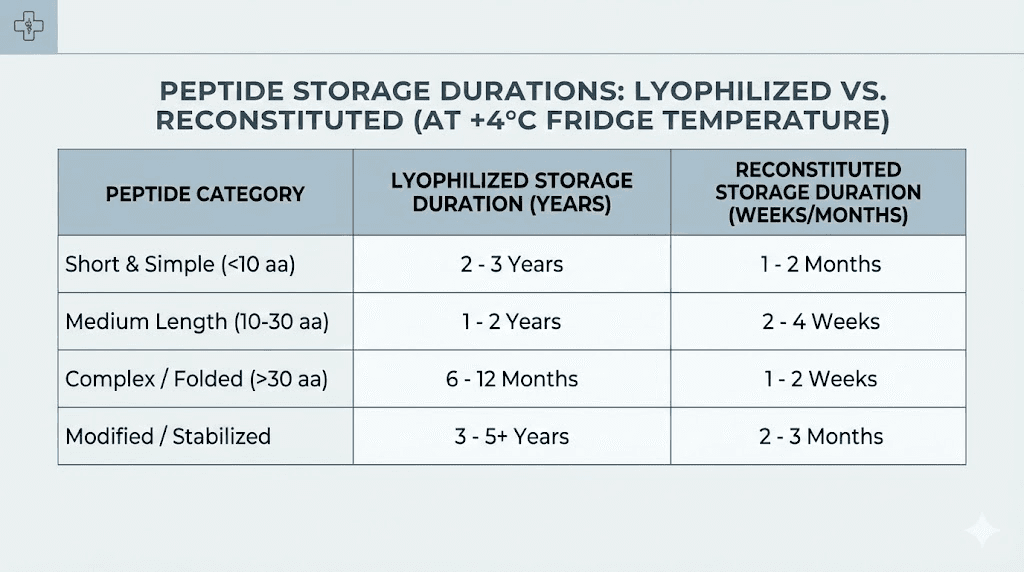
Just How Hplc Is Made Use Of To Inspect Peptide Pureness Asparagine and glutamine deposits can go through deamidation, changing the peptide's cost and hydrophobicity. Deamidation is one reason storage space conditions matter, especially after a peptide has been reconstituted. A modern-day HPLC system consists of a number of incorporated parts, each serving a certain feature in the separation and detection process. Costs research study peptides, carefully tested, lab-verified, and relied on by experts across the UAE. Emirates Peptides Study Team curates evidence-based content on peptide science for study professionals across the UAE and beyond. Mass spectrometry is a commonly used procedure observed as having outstanding level of sensitivity. It is one reason correct peptide storage space and reconstitution practices issue. In the usual peptide COA context, height pureness generally refers to the portion of overall chromatogram area stood for by the primary peptide height. It is an area-percent pureness measurement, not a complete identification or task examination. Mass spectrometry verifies whether the measured mass matches the anticipated peptide mass. The top quality and dependability of a peptide pureness measurement depend upon approach parameters and paperwork quality. The mobile phase, frequently a combination of water, acetonitrile, and an acid modifier, is saved in tanks and supplied with the system by a high-pressure pump. It helps confirm that peptide-based medications meet the high requirements for safety and security and performance. High Purity Peptides Strong Phase Peptide Synthesis (SPPS) is based on consecutive enhancement of alpha-amino and side chain shielded amino acid deposits to an insoluble polymeric assistance. Quickly, synthesis is performed by stepwise addition of activated amino acids to the solid support (Wang resin and PEG-PS) beginning with the carboxy terminus to the amino terminus. At the end of the synthesis the peptides were cleaved off the resin by reagent R (90% TFA, 5% Thioanisole, 3% Ethanedithiol, and 2% Anisole) and subjected to multiple ether extractions.
The Demand For Improved Understanding Of Analytical Ultracentrifugation Contour Fitting
Whether you operate in a research laboratory or prepare data for CMC paperwork, recognizing exactly how to test peptides for pureness is crucial for generating trustworthy outcomes. HPLC screening procedures peptide pureness by separating the target substance from pollutants, synthesis by-products, and deterioration items. The test quantifies what percentage of the example is the real peptide versus contaminants. Authentic research study peptides include a Certificate of Evaluation revealing HPLC purity testing and mass spectrometry results from an independent lab. You can verify authenticity by checking the COA verification code via the screening lab's web site.
Fluid Chromatography Remedies
Just how much does peptide HPLC testing expense?
The cost of peptide analysis solution varies substantially based upon which techniques your regulatory plan requires: HPLC-UV Analysis: $& #x 24; 300 & #x 2013; & #x 24; 800 per sample (conventional pureness analysis) LC-MS (Liquid Chromatography-Mass Spectrometry): $& #x 24; 600 & #x 2013; & #x 24; 1,500 per sample (molecular weight confirmation).
Examinations ought to consist of using verified analytical approaches to evaluate identity, purity, potency, and security at every phase of the product's advancement and use. We commonly use gradient elution in peptide purity evaluation, that is, the proportion of natural stage (generally acetonitrile) in the eluent gradually raises Check out here with time. Due to the fact that the price of addition of organic phase has a considerable influence on the purity result. We usually use a gradient elution method every minute (the focus of acetonitrile rises by 1% every minute, v/v), which can prevent the overlap of example peaks and pollutant tops and improve the accuracy of evaluation outcomes. This short article is offered academic and research study referral functions just.
What Sorts Of Hplc Testing Solutions Are Offered In A Hplc Lab?
As each compound exits the column, a detector gauges it and documents the result as a height on a chart called a chromatogram.
We give high-grade, preclinical dose formula analysis for GLP and non-GLP researches to ensure your research begins on the ideal path.
The peptide bond in the peptide is the amide bond, which usually has strong absorption at 220 nm (similar to healthy protein), so we usually pick 220 nm as the detection wavelength of the peptide.
This method includes HPLC purity analysis and dimension exclusion chromatography (SEC).
Regular settings for baseline, integration, circulation price, and slope conditions are crucial for comparable data.
Tests like molecular weight determination (LC-MS) verify the molecular weight of the peptide. Amino acid sequence verification (MS/MS) validates that the peptide's series is right. MS is specifically useful for discovering contaminations that co-elute (substances that are not totally divided) during chromatography.